

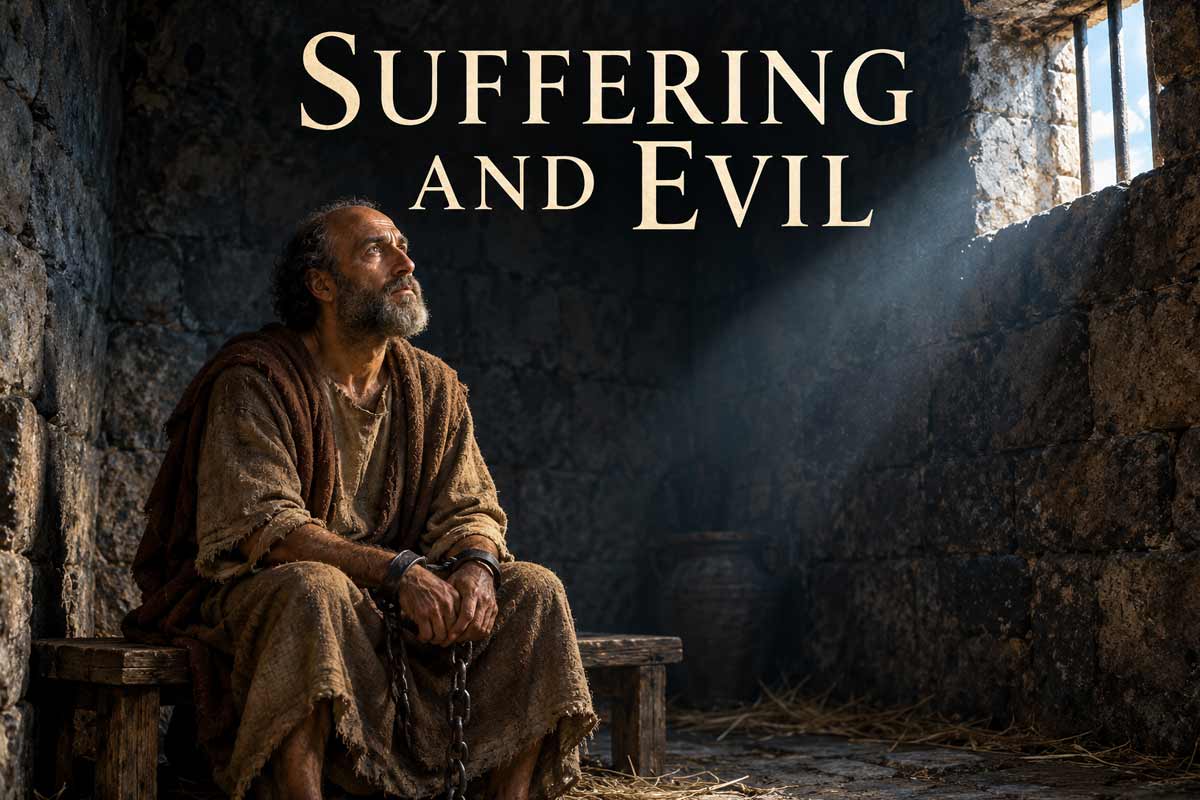
It’s one thing to discuss suffering when life is going well. It’s another to sit beside a hospital bed, lose someone you love, or deal with the damage another person has caused. At that point, questions about God become personal. If He loves us and has the power to help, why does He allow these things to happen? An answer that sounds convincing in a discussion may feel painfully inadequate when you’re the one who is hurting.
Christians believe that God is good, that evil is real, and that suffering doesn’t have the final word. Holding those beliefs together still leaves difficult questions. We need to examine what Scripture teaches without pretending that every tragedy comes with an explanation we can identify. We also need to remember that a person asking why God allows suffering may need someone to listen as much as someone to explain.
Questions That Deserve Careful Answers
This section addresses questions about suffering, injustice, human cruelty, disease, and natural disasters. Some concern choices people make: why does God allow someone to abuse, exploit, or kill another person? Others concern circumstances that don’t appear to involve anyone’s decision, such as a child developing a serious illness. Those situations raise related questions, but an explanation of human freedom doesn’t by itself answer every question about suffering.
We’ll also consider whether suffering is punishment, whether everything happens for a reason, and how believers can respond when God seems silent. Christians offer different explanations for these things, and those explanations need to be weighed against Scripture. A statement can sound spiritual without being helpful or well supported. We should be especially careful about claiming to know why God allowed something to happen in somebody else’s life.
What Scripture Helps Us Understand
The Bible gives us accounts of people who suffered, questioned God, and struggled to understand their circumstances. Job’s friends were confident that they could explain his suffering by pointing to wrongdoing in his life, but their confidence didn’t make them right. The Psalms include prayers of grief, distress, and frustration alongside expressions of trust. These passages give us room to speak honestly to God instead of acting as though faith requires us to conceal our pain.
Jesus also experienced grief, rejection, injustice, and suffering. Christian faith places His crucifixion and resurrection at the center of its understanding of salvation and hope. That doesn’t explain every loss we experience, but it shows that suffering is something God has entered into through Christ. The promise of resurrection gives believers reason to hope beyond death while taking the pain of this life seriously.
Responding to People Who Hurt
When someone is suffering, our response matters. Prayer, practical help, patient listening, and a willingness to remain present can do more good than an explanation delivered before the person has finished speaking. There may be a time to discuss theology, but we shouldn’t use it to hurry someone through grief. Telling people how they ought to feel can leave them carrying their pain along with the burden of disappointing us.
Taking suffering seriously also means resisting evil where we can. People facing abuse need help reaching safety, and people struggling with illness or emotional distress may need appropriate professional care. Trusting God can go along with seeking treatment, reporting wrongdoing, and accepting support. We don’t have to understand every reason suffering exists before we can respond compassionately to the suffering in front of us.
The articles in this section will work through these questions without promising an easy explanation for every circumstance. Begin with the concern that brought you here, and take time to consider the relevant passages. If you’re hurting, you don’t have to turn your experience into a theological lesson before you can bring it to God. Honest prayer and the support of people who care are places to begin, even while some questions remain unanswered.