
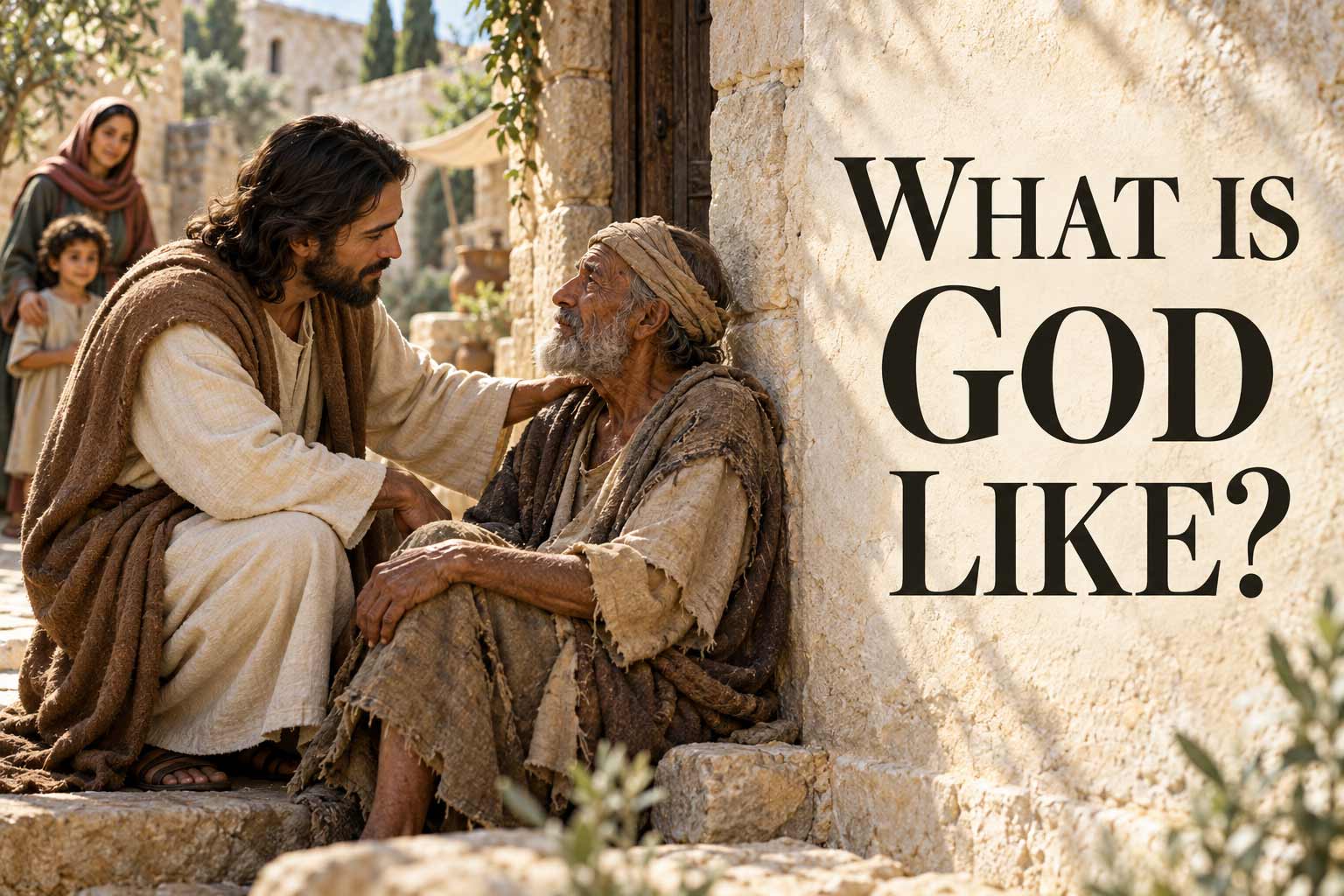
Two people can say they believe in God and mean very different things. One imagines an angry judge who’s waiting for somebody to get out of line. Another imagines a kindly grandfather who approves of practically everything. Someone else thinks of God as an impersonal force that keeps the universe running but has no particular interest in us. Before we can discuss whether we trust God, love Him, or want anything to do with Him, we need to establish who we’re talking about.
Christians believe that God has made Himself known through creation, Scripture, and most fully through Jesus Christ. We can’t know everything about Him, but that doesn’t mean we can’t know anything. The Bible gives us a picture of His character that challenges both our fears and our wishful thinking. We need to let that picture shape our understanding rather than constructing a God who happens to agree with us about everything.
God Is Personal and Greater Than His Creation
The God of the Bible knows, loves, speaks, judges, and acts with purpose. He isn’t an impersonal energy that we can learn to manipulate. We can have a relationship with Him because He’s capable of relationship, although calling Him personal doesn’t mean He’s a human being with our limitations. His knowledge, power, and existence extend far beyond ours.
Jesus said that God is spirit in John 4:24. God’s divine nature isn’t a physical body located somewhere inside the universe. Scripture sometimes speaks about His hands, eyes, or arm to describe His activity in language we can understand, but we shouldn’t assume that every such expression is an anatomical description. When the Bible speaks of God’s mighty arm, it’s communicating His power, not giving us His sleeve size.
God also isn’t identical to the universe. Christianity distinguishes the Creator from what He created, while affirming that He’s present and active within it. He doesn’t depend upon creation for His existence, and creation doesn’t place Him under its control. That means we approach Him as the One who gives us life, rather than as a resource we can use whenever we need something.
God Is Holy and Good
Holiness includes the idea that God is set apart, unique, and worthy of reverence. It also means that He’s morally pure. He doesn’t lie, exploit people, or alternate between goodness and wickedness depending upon His mood. James 1:13 teaches that God isn’t tempted by evil and doesn’t tempt people to do evil. His goodness belongs to His character.
That can be uncomfortable because we’re accustomed to making comparisons that favor us. We can usually find somebody whose behavior makes ours look fairly respectable. But God’s holiness gives us a standard that doesn’t depend upon finding a worse example. It exposes things we might prefer to excuse, including dishonesty, pride, cruelty, and the ways we treat people who can’t do anything for us.
Holiness doesn’t mean that God is incapable of approaching sinful people. Throughout Scripture, He calls people into relationship with Him and provides a way for them to be forgiven. His holiness explains why sin matters, while His goodness explains why He doesn’t simply abandon us to it. Both belong in our understanding of Him.
God Is Loving, Merciful, and Just
First John 4:8 says that God is love. The passage goes on to connect that love with His sending His Son into the world, so biblical love involves action and sacrifice. God’s love isn’t merely a pleasant feeling toward humanity. He seeks our good and acts to bring us into a restored relationship with Him, even when we haven’t earned His kindness.
Mercy means that God has compassion upon people in their guilt and need. Grace emphasizes His undeserved generosity. When God reveals His character to Moses in Exodus 34:6–7, He describes Himself as merciful, gracious, patient, and abundant in goodness and truth. The same passage also affirms His judgment against wrongdoing. Scripture presents mercy and justice together rather than asking us to choose which kind of God we prefer.
A loving God has reason to oppose evil because evil harms the people He loves. We wouldn’t consider a judge good if he treated abuse, theft, and murder as matters too unpleasant to address. Likewise, God’s willingness to forgive doesn’t mean that wrongdoing is insignificant. His mercy gives sinners hope, and His justice assures us that the suffering people inflict upon others matters to Him.
We sometimes speak as though God’s love and holiness are competing departments, with one trying to soften the decisions of the other. But God isn’t divided against Himself. His love is holy, His judgments are just, and His mercy doesn’t come from indifference to evil. The cross brings these concerns together as God deals with sin and extends forgiveness through Christ.
God Knows Us and Has Power to Act
Psalm 139 describes God’s knowledge of our actions, words, and thoughts, along with His presence wherever we go. Being fully known can sound frightening when we think about the things we’d rather conceal. It can also be deeply reassuring. God doesn’t misunderstand our circumstances because He’s missing important information, and we don’t have to explain ourselves perfectly before He can understand us.
God’s knowledge doesn’t make Him a detached observer. Scripture repeatedly portrays Him as hearing prayer, caring for the vulnerable, and entering into the lives of His people. His greatness doesn’t prevent Him from attending to individual needs. We may struggle to understand His response, especially when help doesn’t come in the way or at the time we expected, but our difficulty understanding Him isn’t evidence that He hasn’t noticed us.
God is also powerful enough to accomplish His purposes. That doesn’t mean He can perform contradictions, such as making something exist and not exist in the same sense at the same time. Nor does His power mean that He’ll act contrary to His own goodness. A God who could become dishonest or cruel would give us less reason to trust Him, not more. His power is exercised consistently with His character.
God Is Faithful
Human beings can be sincere one day and unreliable the next. We make promises we forget, discover that we can’t deliver what we offered, or change our minds when keeping our word becomes inconvenient. Scripture presents God as faithful and truthful. His character gives us reason to rely upon what He has actually promised.
That last qualification matters because we sometimes attribute promises to God that He never made. He hasn’t promised that faithful Christians will avoid every illness, financial problem, betrayal, or disappointment. If we expect those things, we may conclude that He’s failed us when our expectations were mistaken. Faithfulness means He keeps His word, so we need to understand His word carefully.
God’s consistent character doesn’t mean that He’s unresponsive to people. The Bible describes Him answering prayer, showing mercy to those who repent, and judging persistent wrongdoing. Christians debate how some of these passages relate to His knowledge and purposes, but we shouldn’t turn His faithfulness into emotional distance. We can trust His goodness while taking seriously His invitation to pray and respond to Him.
Jesus Shows Us What God Is Like
When Philip asked Jesus to show the disciples the Father, Jesus answered that whoever had seen Him had seen the Father (John 14:8–9). This doesn’t mean that Jesus and the Father are the same person. It means that Jesus reveals the Father’s character and activity. Hebrews 1:3 likewise presents the Son as the definitive expression of God’s glory and nature.
In Jesus, we see compassion toward the sick, patience with confused disciples, concern for outsiders, and forgiveness offered to sinners. We also see firm opposition to hypocrisy, exploitation, and religious pride. He welcomed people whom others dismissed, but He didn’t tell them that every choice they made was harmless. His compassion and His call to repentance belonged together.
We shouldn’t imagine that Jesus came to rescue us from a Father who was reluctant to love us. John 3:16 says that God’s love for the world is why He gave His Son. The Father and Son aren’t working toward different goals. Jesus makes the Father known through His teaching, His actions, and His giving of Himself for us.
Our understanding of God will affect how we pray, how we treat people, and what we expect from the Christian life. If we imagine Him as cruel, we’ll struggle to trust Him. If we imagine Him as unconcerned about evil, we’ll struggle to take holiness seriously. Scripture directs us toward a God whose goodness is trustworthy, whose mercy is generous, and whose justice matters. We come to know Him most clearly by paying attention to Jesus.