
Few passages have frightened sincere Christians more than Jesus’ warning about blasphemy against the Holy Spirit. Some wonder whether an angry statement, an unwanted thought, or a period of unbelief has permanently put them beyond God’s mercy. They may want forgiveness while fearing that asking for it is pointless. Understanding what Jesus was addressing helps us take His warning seriously without applying it to situations He wasn’t describing.
The unforgivable sin is blasphemy against the Holy Spirit. In the Gospel accounts, Jesus gives this warning when religious opponents attribute His work of deliverance to Satan. I understand it as a deliberate, hardened rejection of the Spirit’s testimony to Christ, expressed in calling God’s work evil. It is considerably more serious than an accidental phrase, an honest question, or a troubling thought that someone doesn’t want.
Why Jesus Gave the Warning
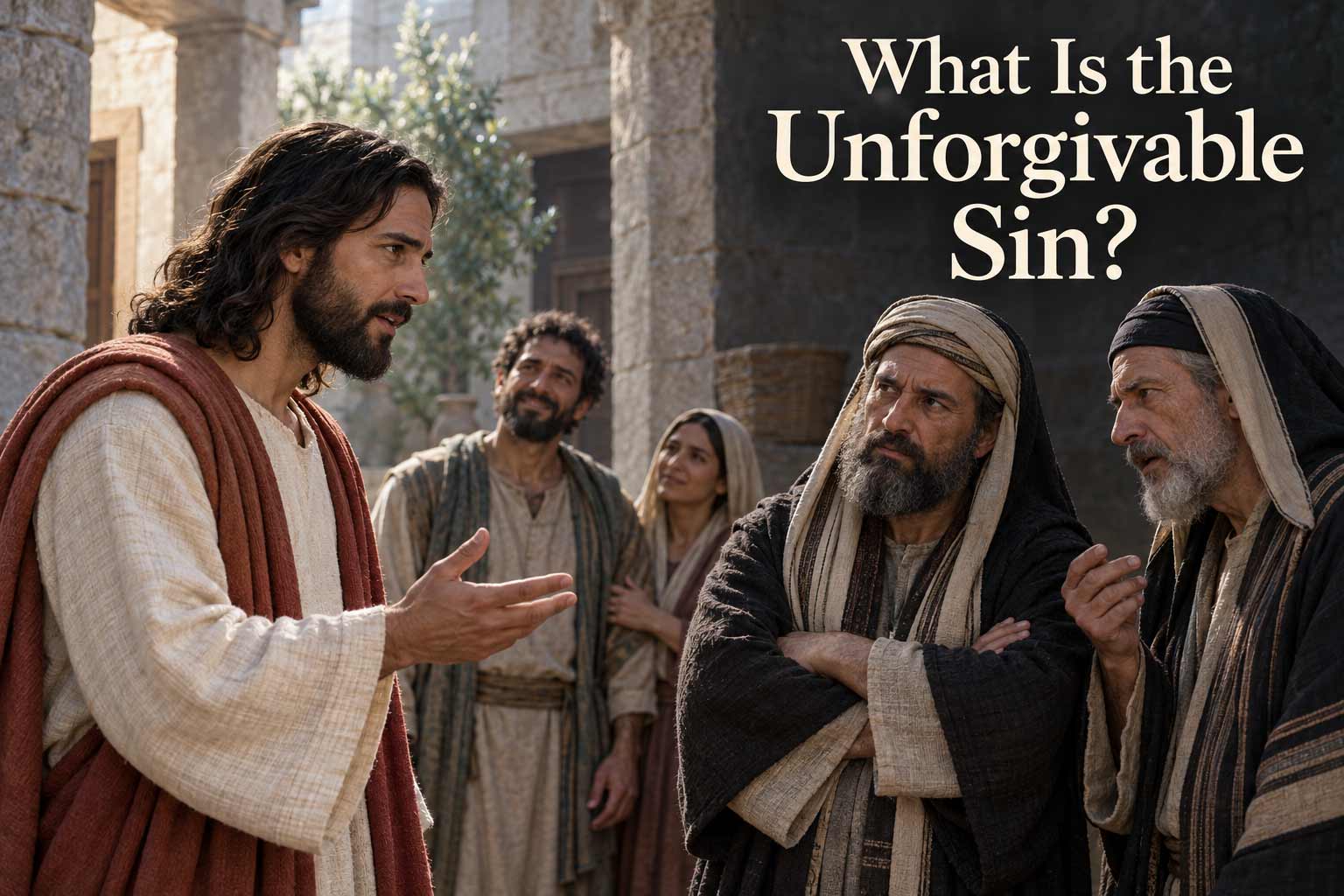
Matthew 12 describes Jesus healing a man who was blind and unable to speak. The crowd began wondering whether Jesus might be the promised Son of David. Some Pharisees responded by saying that He cast out demons through Beelzebub, the ruler of demons. They offered an explanation that identified His work with the enemy He was defeating.
Jesus pointed out the problem with that argument. If Satan was driving out Satan, his kingdom was working against itself. Jesus then said that if He cast out demons by the Spirit of God, God’s kingdom had come upon them. Their accusation therefore concerned the source and meaning of the work taking place before them.
Mark 3 makes the connection especially clear. After recording Jesus’ warning about blasphemy against the Holy Spirit, Mark explains that He said this because they were saying He had an unclean spirit. We shouldn’t detach the warning from that explanation. Jesus was responding to a hostile accusation against the Spirit’s work through Him.
What Does Blasphemy Mean Here?
Blasphemy involves speaking contemptuously or abusively about God. However, Jesus distinguishes blasphemy against the Spirit from other sins and even from speaking against the Son of Man. That means we cannot simply define the unforgivable sin as saying anything disrespectful about religion. The passage identifies a particular kind of opposition.
The distinction suggests that misunderstanding Jesus and deliberately maligning the Spirit’s testimony to Him are not the same thing. Someone might fail to recognize His identity, speak foolishly, and later repent. Jesus explicitly acknowledges that forgiveness is possible for words spoken against Him. His warning concerns a deeper resistance to the divine work that bears witness to who He is.
I understand the sin as a rejection that becomes so determined that the person treats God’s work as something evil to oppose. Christians disagree about whether the precise offense required witnessing Jesus’ earthly miracles or whether an equivalent hardening can occur today. Whatever position we take on that question, the original setting should govern our explanation. We shouldn’t reduce the passage to a mysterious forbidden sentence that someone might accidentally utter.
Why Is It Unforgivable?
Jesus says that this sin will not be forgiven, either in this age or in the age to come. We shouldn’t soften that statement until it loses its force. He gives a severe warning about the consequences of this kind of opposition to God. At the same time, He doesn’t describe a repentant person approaching Him and being refused mercy.
I understand the connection with hardening this way: the Holy Spirit bears witness to Christ and brings us toward the truth we need to receive. Deliberately rejecting and maligning that work means resisting the very testimony that leads us toward repentance and forgiveness. A person who becomes settled in that rejection will not receive the mercy they refuse. This is a theological explanation of the warning, rather than a detailed process Jesus spells out in the passage.
That doesn’t mean every instance of resisting God is automatically the unforgivable sin. People can resist, misunderstand, and later turn toward Him. The warning shows how serious hardened opposition can become. It gives us a reason to respond to God instead of assuming we can reject Him indefinitely without consequence.
What About Something I Said in the Past?
A past statement against God should be acknowledged honestly, but its existence doesn’t automatically establish that someone committed this sin. In 1 Timothy 1:12–16, Paul describes himself as a former blasphemer and persecutor who received mercy. He connects that mercy with having acted ignorantly in unbelief. His example shows why we shouldn’t treat every blasphemous statement as beyond forgiveness.
Peter also denied knowing Jesus and was later restored. His failure was serious, but it wasn’t the final word about his relationship with Christ. These examples don’t remove Jesus’ warning. They help us distinguish it from other grave sins that Scripture shows being forgiven.
If you regret what you said and want to turn toward Christ, the appropriate response is to do so. Confess the wrong, ask His forgiveness, and begin responding faithfully. Trying to reconstruct every word, emotion, and degree of understanding from years ago can leave you trapped in speculation. The Gospels give us no reason to tell a person seeking Christ’s mercy that an ordinary past outburst has made that response useless.
What About Unwanted Thoughts?
An unwanted thought is different from a deliberate statement of belief or allegiance. A person may find a disturbing phrase entering their mind and immediately become frightened by it. Its presence doesn’t show that they endorse it, want it, or have decided to oppose God. We should not confuse being distressed by a thought with willingly embracing what it says.
The accusation in Mark 3 came from people explaining away Jesus’ work as demonic. They were advancing that claim against Him. That is a very different situation from someone who loves God and is alarmed by a thought they wish had never occurred. Applying the same judgment to both ignores the intention and conduct described in the passage.
Concern about this sin can be an encouraging sign of responsiveness to God, but we shouldn’t turn the amount of worry someone feels into a spiritual test. The useful response is to keep turning toward Christ. If recurring fears interfere with daily life, a trustworthy pastor and a qualified counselor can help address them. Seeking that help doesn’t indicate a lack of faith.
Does Questioning a Spiritual Claim Count?
This warning should never be used to make a minister’s claims immune from examination. A person saying that the Holy Spirit gave them a prophecy, healing ministry, or special authority doesn’t establish that the claim is true. Christians have a responsibility to evaluate teaching and spiritual claims. Honest examination is part of taking truth seriously.
I believe the Holy Spirit continues to work through spiritual gifts, but that doesn’t require accepting every claimed manifestation. A prediction can be wrong, a testimony can be exaggerated, and a leader can misuse religious language. Identifying those problems isn’t automatically blasphemy against the Spirit. It may be necessary to protect people and honor God.
We should also be careful about casually calling something demonic simply because it is unfamiliar. Both credulity and reckless accusation can lead us astray. We need evidence, Scripture, humility, and a willingness to correct our judgment. Jesus’ warning deserves more respect than using it as a weapon to end a disagreement.
How Should We Respond?
The passage begins with a broad declaration about forgiveness before identifying the exception. Jesus says that sins and blasphemies can be forgiven. That promise deserves attention alongside the warning. His words call us to take hardened opposition seriously while recognizing the reach of God’s mercy.
If you’re afraid that you’ve committed the unforgivable sin, bring the concern to Christ rather than treating fear as a verdict. Acknowledge anything you know was wrong, receive correction where it’s needed, and continue seeking Him. You don’t need to manufacture certainty about every past thought before you can respond today. The desire to receive His mercy gives you a reason to approach Him.
The unforgivable sin concerns a grave rejection of the Spirit’s witness to Christ. It should make us cautious about hardening ourselves against God and maligning His work. It should also make us careful in how we counsel frightened people. Jesus’ warning was directed at hostile resistance to God’s work; we should not turn it into a barrier that keeps someone who wants forgiveness from seeking the Savior.